Emotional Regulation

Helping Children Build Emotional Awareness, Resilience & Connection

What is our Emotion Regulation Program?

At Western Kids Health, our Emotion Regulation Program for children is grounded in evidence-based, best-practice approaches, drawing on the latest research in attachment theory, regulation theory, and developmental neurobiology. These foundations help us support children to develop emotional awareness, build practical emotion regulation skills, and strengthen relationships that matter most.

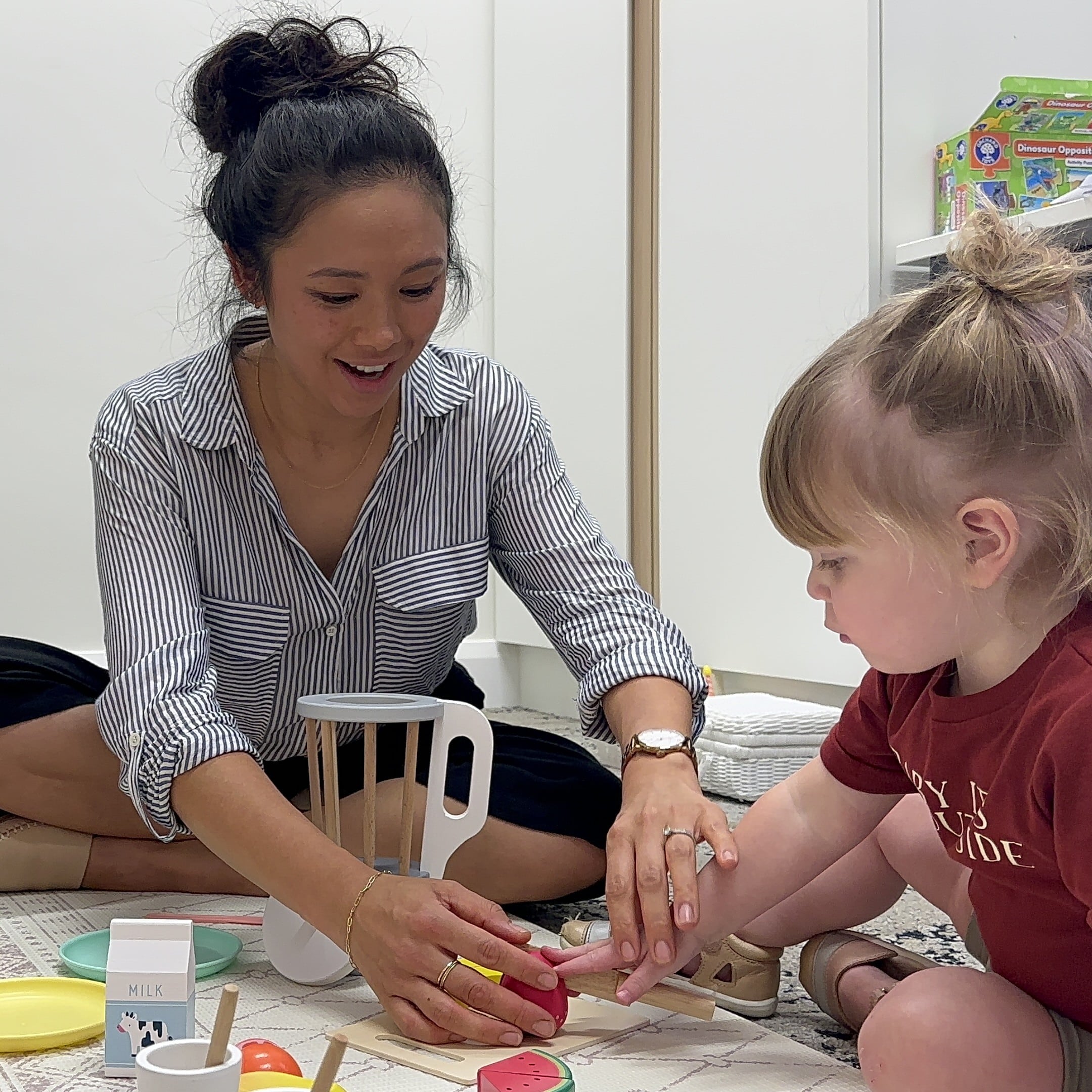
We understand that children learn to manage emotions primarily through their relationships with caregivers. That’s why our program combines parent-only and parent-child therapy sessions, individually tailored to your family’s unique needs. By working alongside you, we help nurture your child’s ability to recognise and respond to big feelings, support co-regulation, and strengthen your connection, laying the foundation for lasting emotional wellbeing.

What to expect at your first session:

Our first session is a parent-only appointment, creating a comfortable space for honest, open conversation, without little ears listening. This is your chance to share what’s going well and what feels challenging, so we can understand your child’s strengths, emotional needs, and your family goals. You are the expert in your child, and your insights shape the path forward.

After this visit, your therapist spends dedicated time reviewing all information to begin crafting a comprehensive, tailored support plan. Where possible, we encourage both parents or caregivers to attend, but we understand this isn’t always feasible and will work flexibly to support your family.

Because emotion regulation in children is complex, a second assessment session may be needed to explore the full picture. With your consent, we may also speak with your child’s school or other caregivers and complete any necessary assessments. Follow-up appointments are 50 minutes and may be parent-only or include your child, depending on what best supports their emotional development. Your therapist will guide this decision based on your child’s needs.

While it’s natural to want quick answers, these early sessions focus on understanding the whole child before introducing strategies. This helps ensure that the support we offer is effective, personalised, and sustainable. Please note: a written report or specific strategies are not included in the initial assessment phase but can be requested and discussed with your therapist.

Learning to regulate emotions is a gradual, long-term process. Our goal is to build a strong foundation that supports your child’s emotional wellbeing far beyond the therapy room.
Common Questions

Our program supports families to build emotional awareness, develop regulation skills, and strengthen relationships. We work closely with parents and caregivers, as children learn these skills best through the supportive relationships and experiences they share with important adults in their lives. 

The program is typically delivered over 8 – 10 sessions. The first two sessions are focused on assessment and goal setting, while later sessions are a mixture of parent only and child only sessions. Your therapist will guide whether sessions are parent-only, child-inclusive, or a mix of both.
The first appointment is parent only and 60 minutes face to face. This is your time to share what’s going well and what feels hard, so we can understand your child’s strengths, needs, and your family goals, you’re the expert in your child.
After this visit, your therapist schedules 30 mins of dedicated time to review all information, consider the whole picture, and begin shaping a comprehensive support plan. This appointment is billed at 90 minutes clinician time.
Because emotional regulation is complex, sometimes we need a second appointment to do this thoroughly. The second appointment is 50 minutes long (the same as all follow-up sessions). It may be parent-only or include your child, depending on your child’s needs. Your therapist will guide this decision to ensure your families treatment plan is as thorough and effective as possible.
Not immediately. The purpose of the assessment stage is to build a comprehensive understanding and design a tailored plan for your family as we know that strategies are not ‘one size fits all’. Strategies and reports are not provided during the initial appointment; however, these can be requested and discussed with your therapist if required.
Very involved! Emotional regulation happens in context and research shows children develop emotional regulation best when their caregivers are supported and confident in responding to big feelings.

Children learn and practice regulation skills in their daily routines and relationships. Parents act as co-regulators, so your involvement directly shapes your child’s ability to regulate. Emotions are influenced by environment and social dynamics, not just what happens inside your child. By working with the whole family system, we can make changes that last.

Sessions will be a mixture of parent only and child sessions, as guided by your therapist.

Co-regulation is the process of an adult helping a child calm, organise, and manage their emotions when they feel overwhelmed. Over time, children gradually learn to regulate more independently. Emotional regulation is not a linear process, children will continue to need support at different times and ages, especially during stress or transitions.
Yes, where possible we encourage both parents or caregivers to attend. We also understand this is not always feasible and will work flexibly to support your family.
A written report is not included as part of the standard assessment phase but can be requested and discussed with your therapist if this is something your family requires.
Yes. Telehealth can be used for any stage of the program and is a flexible option for families who may have difficulty attending in person. Your therapist can guide you on how to make the most of online sessions.